How to wish someone a happy Eid in Turkish?
To wish someone a happy Eid in Turkish, the universal expression is “Bayraminiz mubarek olsun” (pronounced: baï-ra-meu-neuz moo-ba-rek ol-soon), which means “May your celebration be blessed”. This formula is used for both Ramazan Bayrami (Eid al-Fitr) and Kurban Bayrami (Eid al-Adha). Learning Turkish allows you to master these festive expressions and fully participate in Turkish celebrations.
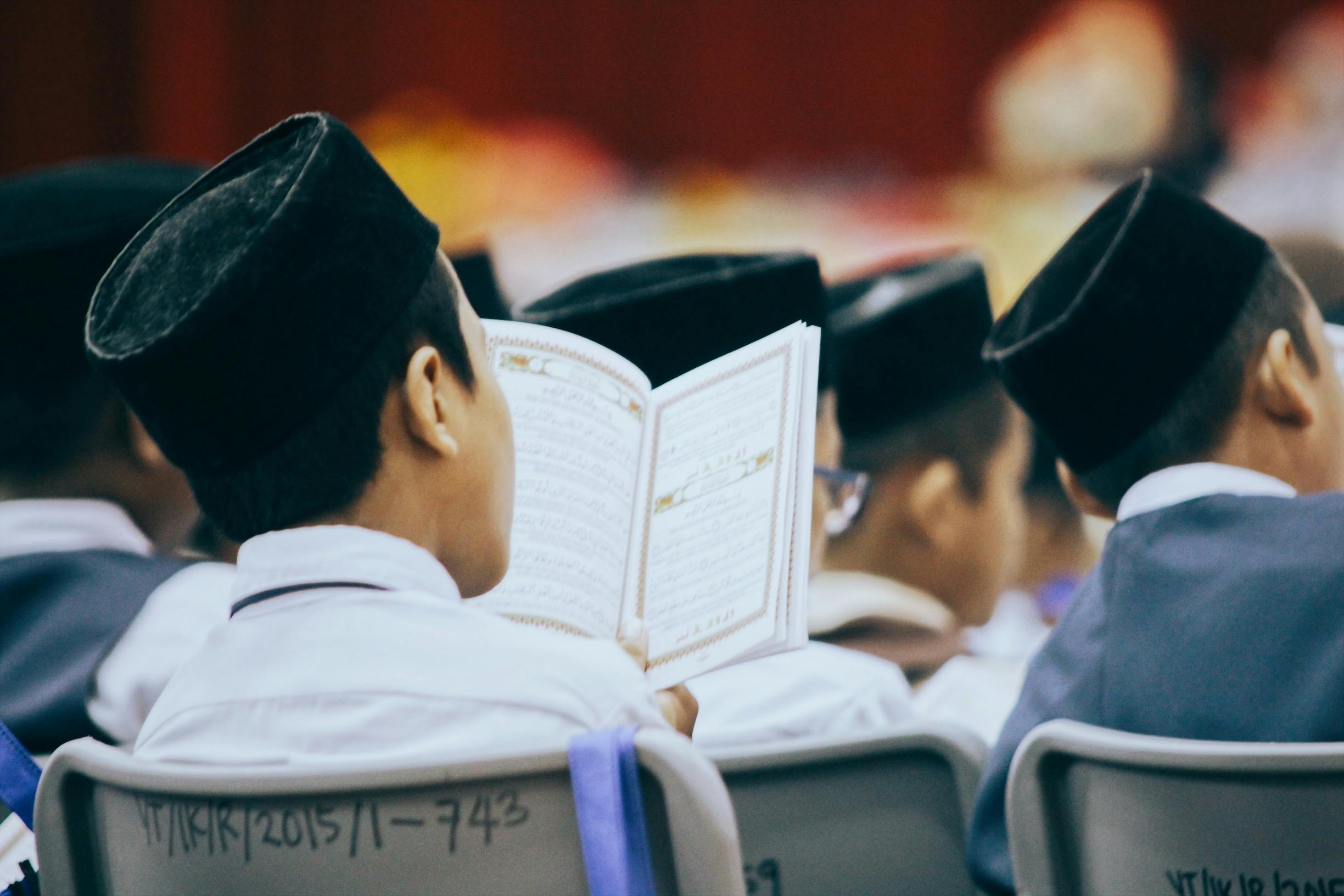
Main Expressions for Eid
The Turkish language distinguishes two major celebrations, each with specific formulas while sharing general wishes.
Universal formulas for both Eids
- “Bayraminiz mubarek olsun”: “May your celebration be blessed” (respectful form)
- “Iyi bayramlar”: “Happy celebrations” (common and simple form)
- “Bayraminiz kutlu olsun”: “May your celebration be joyous”
- “Mutlu bayramlar”: “Joyful celebrations”
- “Bayramlariniz mubarek olsun”: “May your celebrations be blessed” (plural)
Specifically for Ramazan Bayrami
- “Ramazan Bayraminiz mubarek olsun”: “May your Eid al-Fitr be blessed”
- “Ramazan Bayraminiz kutlu olsun”: “May your Eid al-Fitr be joyous”
Specifically for Kurban Bayrami
- “Kurban Bayraminiz mubarek olsun”: “May your Eid al-Adha be blessed”
- “Kurban Bayraminiz kutlu olsun”: “May your Eid al-Adha be joyous”
Knowing the Ramadan dates for 2026 allows you to anticipate Ramazan Bayrami, which immediately follows the sacred month.
Detailed Pronunciation
Mastering Turkish Eid wishes pronunciation guarantees authentic and respectful communication.
Bayraminiz mubarek olsun
- Bayraminiz: baï-ra-meu-neuz (the dotless “i” is pronounced like a schwa, the final “z” is voiced)
- mubarek: moo-ba-rek (stress on “ba”)
- olsun: ol-soon (the Turkish “u” is pronounced like French “u” with rounded lips)
Iyi bayramlar
- Iyi: i-yi (both “i” sounds pronounced distinctly)
- bayramlar: baï-ram-lar (the “r” is slightly rolled)
Crucial difference: i vs ı
Turkish distinguishes two “i” sounds: the normal “i” (with dot) and “ı” (without dot). In “Bayraminiz”, the second “i” is an “ı” pronounced as a schwa. This phonetic distinction characterizes the authenticity of your Turkish accent.
Distinction Between the Two Eids
Turkey celebrates two annual Eid celebrations, each with its own significance.
Ramazan Bayrami (Seker Bayrami)
Ramazan Bayrami, also called Seker Bayrami (Candy Festival), marks the end of Ramadan month. This celebration officially lasts three days and derives its popular name from the tradition of distributing candy to children.
After saying happy Ramadan in Turkish for thirty days, wishes transform into “Bayraminiz mubarek olsun” from the celebration’s first day.
Kurban Bayrami
Kurban Bayrami (Festival of Sacrifice) commemorates Abraham’s sacrifice and lasts four days. This celebration, considered more religiously important, involves the ritual sacrifice of a sheep, goat, cow, or camel.
Kurban Bayrami wishes often carry a more marked spiritual dimension with references to sacrifice and generosity.
Usage Contexts
Turkish Eid wishes adapt according to time of day and social situation.
First day morning
On Eid morning, after collective prayer (bayram namazi), the most complete formulas are exchanged:
- “Bayraminiz mubarek olsun, nice senelere”: “May your celebration be blessed, for many years”
- “Allah kabul etsin, bayraminiz mubarek olsun”: “May God accept, may your celebration be blessed”
During the three days
Throughout the festive period, “Iyi bayramlar” becomes the standard greeting. Shorter and more informal than first morning formulas, it accompanies each daily encounter.
Family visits
During traditional visits to elders, formulas lengthen with additional blessings: “Bayraminiz mubarek olsun, Allah uzun omurler versin” (May your celebration be blessed, may God give you long life).
Appropriate Responses
Knowing how to respond to Eid wishes demonstrates your linguistic and cultural competence.
Common responses
To “Bayraminiz mubarek olsun”, you can respond:
- “Sizin de bayraminiz mubarek olsun”: “May your celebration also be blessed”
- “Sizin de”: “Yours too” (common abbreviated form)
- “Amin, sizin de mubarek olsun”: “Amen, may yours also be blessed”
- “Tesekkur ederim, sizin de”: “Thank you, yours too”
To “Iyi bayramlar”, simply respond:
- “Size de iyi bayramlar”: “Happy celebrations to you too”
- “Size de”: “To you too”
These Turkish exchanges create warm and respectful dialogue during celebrations.
Traditional Turkish Gestures
Eid wishes are accompanied by specific cultural gestures deeply rooted in Turkish tradition.
El öpmek (Hand-kissing)
The most characteristic gesture of Turkish Eid is hand-kissing (el öpmek). Young people grasp an elderly person’s right hand, bring it to their forehead as a sign of respect while pronouncing “Bayraminiz mubarek olsun”.
The elder typically responds: “Allah razı olsun” (May God be pleased with you) or “Sagol evladim” (Thank you my child) while affectionately caressing the young person’s head or cheek.
Bayramlik (Pocket money)
After hand-kissing, elders offer money (bayramlik) to children and youth. This financial tradition systematically accompanies Eid wishes and constitutes a highly anticipated moment for Turkish children.
Embraces and hugs
Between adults of the same age, three alternating kisses on cheeks (sağdan-soldan-sağdan: right-left-right) accompany wishes. Men often add a fraternal embrace.
Expressions for Different Generations
Turkish formulas vary according to age and status of your interlocutor.
For grandparents and elders
To elderly people, use the most respectful and elaborate forms:
- “Bayraminiz serefi mubarek olsun”: “May the honor of your celebration be blessed”
- “Nice bayramlara, nice senelere”: “To many celebrations, many years”
- “Allah omurler versin, nice bayramlara ermek nasip olsun”: “May God give you long life, may you be granted to reach many celebrations”
For children
To children, formulas become affectionate and simple:
- “Bayramin mubarek olsun yavrucugum”: “May your celebration be blessed my little one”
- “Iyi bayramlar canim”: “Happy celebrations my dear”
- “Bayramini kutlarim cicegim”: “I celebrate your Eid my flower”
Turkish diminutives (-cugum, -cigim, canim, cicegim) add tenderness and emotional closeness.
Between peers
Among friends or colleagues of the same age, “Iyi bayramlar” suffices, creating a relaxed and warm atmosphere without excessive formality.
Regional Turkish Variations
Eid wishes present some variations according to Turkish regions.
Istanbul and Marmara
In the Istanbul region, the standard form “Bayraminiz mubarek olsun” dominates. Ottoman historical influence is felt in more elaborate formulas used by older generations.
Central Anatolia
In Ankara, Konya, and Kayseri, expressions integrate more religious references: “Allah kabul eylesin, bayraminiz mubarek olsun” (May God accept, may your celebration be blessed).
Aegean and Mediterranean coast
Izmir, Antalya, and Bodrum use shorter, more direct formulas. “Iyi bayramlar” is proportionally more frequent there than long formulas.
Southeastern Anatolia
In Gaziantep, Urfa, and Diyarbakir, wishes often lengthen with multiple blessings and references to health, prosperity, and family.
Expressions for Kurban Bayrami
Kurban Bayrami has additional formulas related to sacrifice.
Sacrifice-specific wishes
- “Kurbaniniz kabul olsun”: “May your sacrifice be accepted”
- “Etleriniz sifa olsun”: “May your meats be a source of healing”
- “Allah-u Teala kabul buyursun”: “May God the Most High accept it”
These expressions specifically address people who have sacrificed an animal. They acknowledge the religious act performed and wish for its divine acceptance.
Sharing meat
When someone shares their sacrifice meat with you, say: “Allah kabul etsin, elinize saglik” (May God accept it, health to your hands) or “Cok sagolun, Allah razi olsun” (Thank you very much, may God be pleased).
Written and Digital Messages
Eid wishes adapt to modern communications.
SMS and WhatsApp
On messaging platforms, Turks commonly write:
- “Bayraminiz mubarek olsun! Sevgi ve saygilarimla”: “May your celebration be blessed! With love and respect”
- “Iyi bayramlar! Mutluluk ve saglik dolu gunler dilerim”: “Happy celebrations! I wish days filled with happiness and health”
Social media
On Facebook, Instagram, or Twitter, posts combine photos, hashtags (#IyiBayramlar, #BayramMubarekOlsun), and traditional formulas.
Virtual cards
Turkish e-cards often feature poetic formulas: “Bayraminiz en guzel dileklerimle mubarek olsun” (May your celebration be blessed with my most beautiful wishes).
Differences from Arabic
Although celebrations are common to the Muslim world, Turkish expressions differ significantly from Arabic.
Distinct vocabulary
The Turkish word “bayram” (celebration) replaces Arabic “Eid”. This linguistic differentiation reflects distinct Turkish cultural identity despite shared religion.
In Arabic, people say “Eid Mubarak” while in Turkish, “Bayraminiz mubarek olsun” uses a specifically Turkish grammatical construction with the possessive suffix “-iniz” and the verb “olsun” (may it be).
Ottoman influence
Some words like “mubarek” (blessed) come from Arabic via Ottoman heritage, but their usage and pronunciation have been turkified over centuries.
Complementary Expressions
Other Turkish phrases enrich your conversations during Eid.
Invitations
- “Bayraminizi bizimle gecirin”: “Spend your celebration with us”
- “Kahvaltiya bekleriz”: “We await you for breakfast”
- “Buyurun, lutfen”: “Please enter”
Gifts
- “Sizin icin ufak bir sey getirdim”: “I brought something small for you”
- “Kabul edin lutfen”: “Please accept”
- “Tesekkur ederim, gerek yoktu”: “Thank you, it wasn’t necessary”
Hospitality
- “Afiyet olsun”: “Bon appétit”
- “Ellerinize saglik”: “Health to your hands” (thanks for a meal)
- “Hos bulduk”: “We’re happy to find you” (response to “Hosgeldiniz”)
Summary Table of Expressions
| Turkish Expression | Pronunciation | Meaning | Occasion |
|---|---|---|---|
| Bayraminiz mubarek olsun | baï-ra-meu-neuz moo-ba-rek ol-soon | May your celebration be blessed | Universal, respectful |
| Iyi bayramlar | i-yi baï-ram-lar | Happy celebrations | Daily, informal |
| Ramazan Bayraminiz mubarek olsun | ra-ma-zan baï-ra-meu-neuz moo-ba-rek ol-soon | May your Eid al-Fitr be blessed | Ramazan Bayrami |
| Kurban Bayraminiz mubarek olsun | koor-ban baï-ra-meu-neuz moo-ba-rek ol-soon | May your Eid al-Adha be blessed | Kurban Bayrami |
| Kurbaniniz kabul olsun | koor-ba-neu-neuz ka-bool ol-soon | May your sacrifice be accepted | Kurban Bayrami |
| Nice senelere | ni-je se-ne-le-re | For many years | Addition to wishes |
Common Mistakes to Avoid
Turkish learners make certain typical errors with Eid wishes.
Celebration confusion
Saying “Ramazan Bayraminiz mubarek olsun” during Kurban Bayrami or vice versa reveals unfamiliarity with the Turkish religious calendar. Check which celebration approaches before formulating your specific wishes.
Omitting possessive suffix
Saying “Bayram mubarek olsun” (may the celebration be blessed) instead of “Bayraminiz mubarek olsun” (may your celebration be blessed) is grammatically incomplete. The suffix “-iniz” personalizes wishes and directly addresses your interlocutor.
Incorrect pronunciation of ı
Pronouncing all “i” sounds identically in “Bayraminiz” immediately betrays a non-Turkish speaker. The schwa sound of “ı” is crucial for authentic pronunciation.
Importance of Formal Address
Turkish clearly distinguishes informal and formal address in festive formulas.
Polite form (siz)
“Bayraminiz mubarek olsun” uses formal address (suffix -iniz). This form addresses elderly people, hierarchical superiors, strangers, or groups.
Familiar form (sen)
“Bayramin mubarek olsun” uses informal address (suffix -in). This form addresses children, close friends, young family members.
This sociolinguistic distinction is fundamental in Turkish and reflects social respect. Using formal address by default avoids cultural missteps.
Eid-Specific Turkish Traditions
Turkish celebrations include unique cultural particularities.
Visits by age hierarchy
Turkish protocol requires visiting the eldest first. Young couples begin with paternal grandparents, then maternal, followed by other family elders and elderly neighbors.
Each visit opens with “Bayraminiz mubarek olsun” accompanied by ritual hand-kissing. Not respecting this order is considered disrespectful.
Bayram tables
Hosts prepare tables laden with baklava, lokum (Turkish delight), chocolates, dried fruits, tea, and coffee. Refusing these offerings would be offensive. Accept at least tea and one pastry while saying “Sagolun, ellerinize saglik” (Thank you, health to your hands).
Cemeteries
Visiting graves of deceased loved ones is integral to Turkish Eid. Families go to cemeteries on the first morning or afternoon, recite prayers, and exchange wishes with other visitors: “Bayraminiz mubarek olsun, ruhlari sad olsun” (May your celebration be blessed, may their souls be at peace).
Eid and Language Learning
Mastering Eid expressions constitutes an important step in learning conversational Turkish.
Immersive cultural practice
The three days of Eid offer intensive linguistic exposure. Participating in family visits multiplies opportunities to practice “Bayraminiz mubarek olsun” and its variants.
Listening to how different generations formulate their wishes teaches politeness nuances, regional variations, and appropriate use of formal address.
Vocabulary enrichment
Eid introduces specialized vocabulary: bayramlik (pocket money), el öpmek (hand-kissing), seker (candy), kurban (sacrifice), bayram namazi (Eid prayer). These terms enrich your lexical competence beyond everyday Turkish.
Use by Non-Muslims
Can non-Muslims living in Turkey or interacting with Turks use these Eid wishes?
Intercultural respect
Absolutely. Turks deeply appreciate when non-Muslims wish them “Bayraminiz mubarek olsun” or “Iyi bayramlar”. This gesture demonstrates cultural respect and strengthens interpersonal relationships.
In international companies in Turkey, colleagues of all religions exchange these wishes. Eid transcends religious boundaries to become a Turkish national celebration.
Neutral formula
If you prefer a neutral approach, “Iyi bayramlar” (Happy celebrations) remains perfectly appropriate. This formula expresses benevolent wishes without personal spiritual commitment.
Poetic Expressions
Turkish culture, rich in literature, offers elaborate formulas for Eid.
Traditional verses
Turks appreciate rhyming wishes:
- “Gonulleriniz bayram etsin, gunleriniz sevinc dolu olsun”: “May your hearts celebrate, may your days be filled with joy”
- “Bayramlariniz neseyle, kederleriniz kedersizlik olsun”: “May your celebrations be with joy, may your sorrows become sorrowless”
Proverbs
- “Bayram, sevdiklerimizle guzel”: “Celebration is beautiful with our loved ones”
- “Bayram gunleri birlik gunleridir”: “Celebration days are unity days”
Modern Evolution
Eid wishes evolve with contemporary Turkish society while preserving their essence.
Digital influence
Hashtags #BayramMubarekOlsun and #IyiBayramlar dominate Turkish social media during Eid. Young people create memes, animated GIFs, and short videos incorporating traditional formulas.
Voice messaging apps allow sending personalized audio wishes, modernizing form without altering cultural content.
Tradition maintenance
Despite modernization, “Bayraminiz mubarek olsun” remains unchanged across generations. This linguistic permanence testifies to these formulas’ deep cultural importance.
Special Eid TV shows, radio programs, and digital content continue promoting these authentic expressions, ensuring their intergenerational transmission.
Professional Context
Eid wishes also integrate into Turkish professional environments.
Offices and companies
Before Eid, colleagues and supervisors exchange “Bayraminiz mubarek olsun”. Some companies organize pre-Eid receptions where these formulas accompany gift and candy distribution.
Professional emails
Email signatures temporarily include: “Yaklasan bayraminizi kutlar, mutluluklar dilerim” (I celebrate your approaching celebration, I wish happiness).
Clients and partners
In business relationships, sending a wishes card or message strengthens professional bonds. The standard formula remains “Bayraminiz mubarek olsun, saygılarımızla” (May your celebration be blessed, with our respects).
Comparison: Ramazan vs Kurban Bayrami
The two Turkish Eids present differences in their celebration and wishes.
General atmosphere
Ramazan Bayrami has a lighter, more joyful atmosphere, marked by candies, chocolates, and treats. The nickname “Seker Bayrami” reflects this festive and childlike aspect.
Kurban Bayrami, more solemn, centers traditions on animal sacrifice and meat sharing. The spiritual atmosphere intensifies with more marked religious references.
Adapted wishes
For Ramazan Bayrami: “Sekerli, tatli bir bayram gecirin” (Have a sweet and delightful celebration).
For Kurban Bayrami: “Kurbaniniz kabul, dualariniz mustecap olsun” (May your sacrifice be accepted, may your prayers be answered).
Mastering “Bayraminiz mubarek olsun” and its variants opens the doors to Turkish culture during its most festive and spiritual moments, demonstrating your respect for traditions and your Turkish linguistic competence.
Speak Turkish Online
Last articles